Storm-Damaged Woods: When Removal Could be the Only Secure Alternative
Trees include actual price to your property—color, suppress appeal, and a measurable increase to house resale prices. But its not all tree is really a balanced one. Understanding when a tree has entered the point from an asset to a responsibility can protect your property, your loved ones, and your neighbors. Professional tree service authorities assess 1000s of woods every year, and they regularly indicate exactly the same caution signs. Here's what to watch for. How Do You Know If your Tree Is Dangerous? Many dangerous trees don't announce themselves. The caution signs tend to develop gradually, which can be exactly why typical inspections matter. May be the tree bending considerably to at least one side? An immediate or conspicuous lean is among the best signals of a structural problem. Unlike woods that obviously grow at an position around many years, a brand new lean frequently signals root disappointment or inner decay. This can be a condition that warrants an immediate examination by a professional arborist.
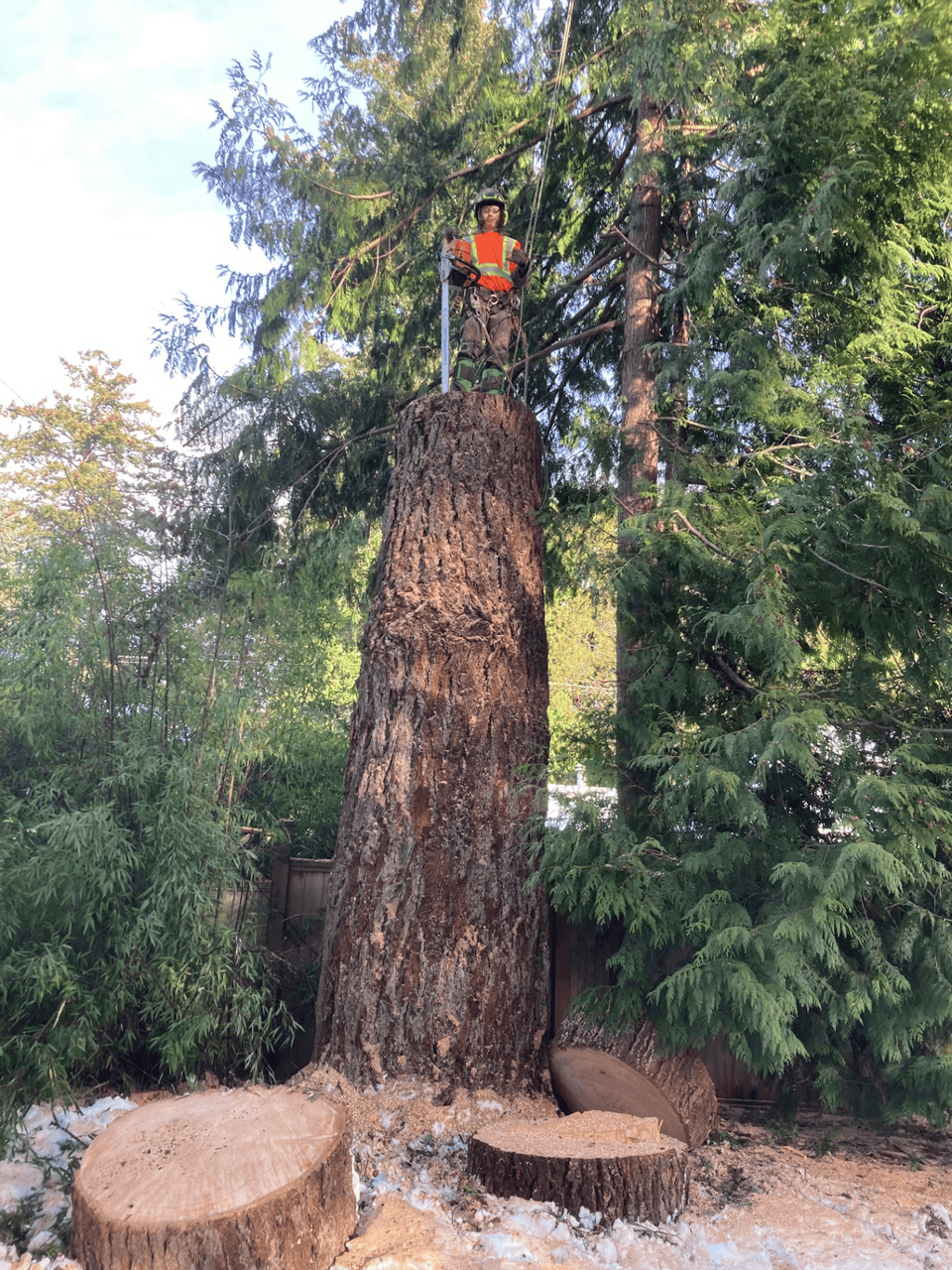
Are there large useless limbs at the top of the cover? Dead timber in the top of canopy—sometimes named “widow makers”—is really a significant hazard. These limbs can drop without caution, especially during windstorms. Reports from the Tree Care Market Association estimate that falling offices and woods trigger hundreds of property injury situations across North America each year. May be the bark broken, lacking, or featuring signals of fungal growth? Fungal conks, cankers, and regions of lacking or profoundly furrowed bark frequently suggest inner decay. By the time these signs look on the exterior, the structural bargain in the tree might previously be significant. Are the sources ruined, elevated, or rotting? Roots are the inspiration of a tree's stability. Earth heaving around the base, visible root decay, or significant root injury from construction work nearby can all bargain a tree's ability to remain straight below stress. Has the tree undergone new hurricane damage? Split trunks, damaged scaffold branches, and bark tears from lightning or breeze develop open injuries that invite illness and pests. A post-storm examination can determine whether a damaged tree may be saved or wants ahead down.

Are there signs of insect infestation? Bark beetle galleries, unusual bore holes, and major sap movement may indicate active insect damage. Some infestations spread rapidly to neighboring woods if remaining unaddressed. Is the tree rising too shut to your home or energy lines? Closeness matters. Even a structurally sound tree poses a chance if their cover or sources encroach on structures, rooflines, or utility lines. What Must You Do If You Detect These Signals? Don't wait. A specialist risk assessment from an ISA Authorized Arborist is probably the most trusted way to determine whether a tree must be eliminated, pruned, or monitored. At Integra Tree Solutions, our certified group acts Surrey, White Steel, Delta, Langley, and bordering Lower Mainland communities. Call 604-968-9997 or request a free calculate online to obtain a qualified evaluation before a challenge tree becomes a pricey emergency.